













Why Fiber Cement Rainscreens Deliver Long-Term Building Performance
Industry Insights 09.28.26
Industry Insights 09.28.26
Fiber cement rainscreen systems have become a go-to choice for architects. They need a facade that performs as well in year twenty as it did on installation day. Between shifting energy codes, tougher wind zones, and clients who expect graceful aging, the pressure on exterior materials keeps climbing. Fiber cement answers that pressure with a track record built on real testing data, not marketing claims. Below, we walk through the five performance categories that matter most when you're specifying a rainscreen for a commercial, institutional, or multi-family project.
Fire safety sits at the top of every specifier's checklist, and fiber cement holds up under scrutiny. High-density fiber cement panels are classified as noncombustible under ASTM E136 and achieve a 0 flame spread and 0 smoke developed rating under ASTM E84. That combination makes them well suited for NFPA 285 compliant assemblies, which test how a full wall system, cladding, insulation, and barrier included, behaves when fire tries to travel vertically along an exterior wall.
For architects working on mid-rise and high-rise projects where NFPA 285 is required, this matters at the assembly level, not just the panel level. If you're mapping out an assembly and want a second set of eyes on the details, our technical support team can walk you through the fire testing documentation before it ever reaches code review.
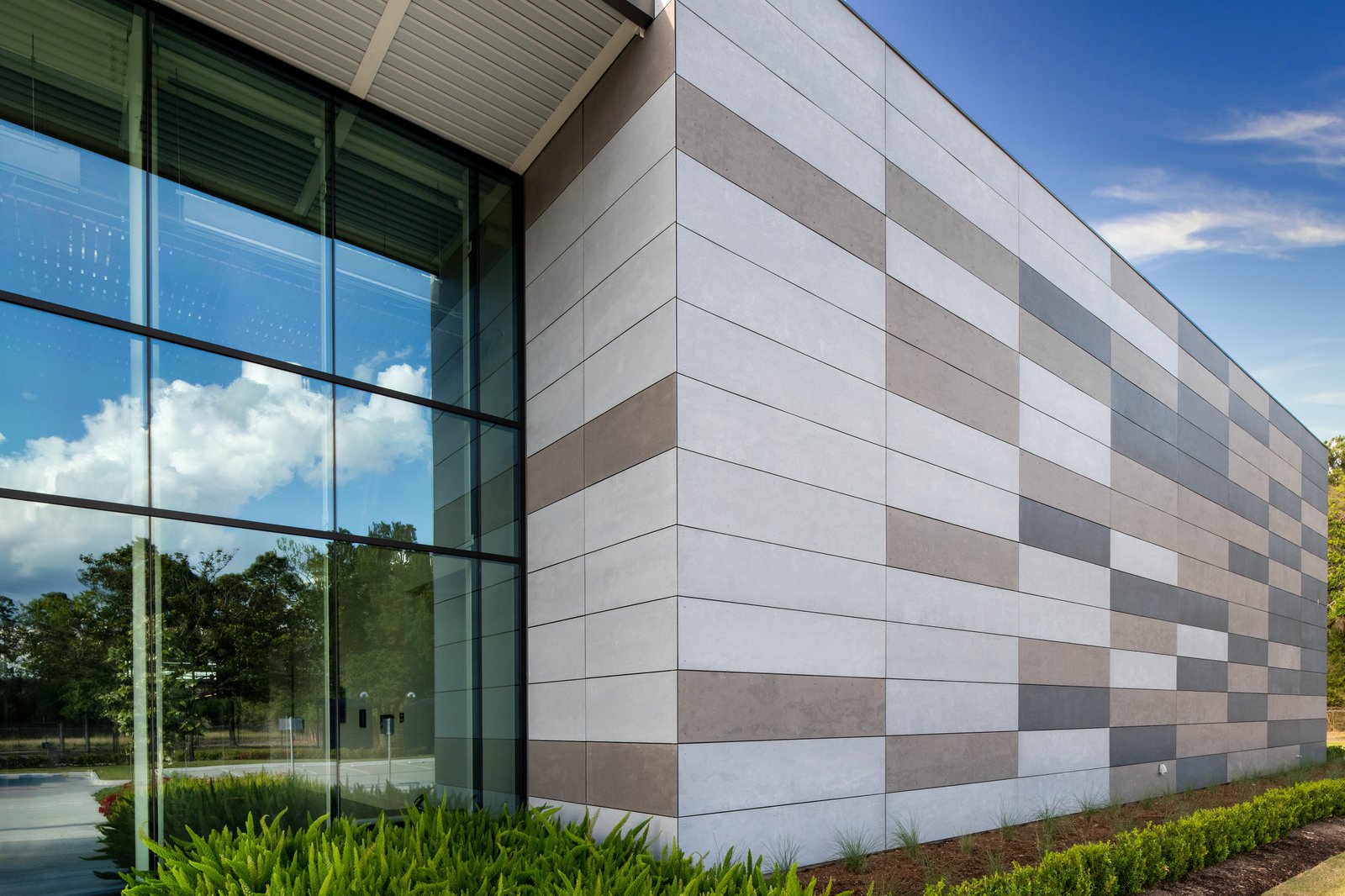
Modern energy codes often require continuous insulation, and high-density fiber-cement rainscreens are designed to accommodate it. Because the panels are installed over a ventilated air cavity, continuous insulation can be achieved behind the panels with the use of thermal wall brackets, composite Z-Profiles, or continuous insulation plywood products. The many different CI-compatible options guarantee one option will work with all types of wall assemblies. The ventilated cavity also helps regulate moisture and temperature swings behind the panel. This supports more stable indoor comfort and lower long-term energy costs.
This is why a properly engineered ventilated rainscreen consistently outperforms face-sealed systems on thermal efficiency and moisture management. It's worth understanding how that cavity is built before finalizing your insulation strategy. For assistance on choosing the best attachment system for your panel layout and wall assembly, contact AFC at 303-972-5107 or house@afccladding.com.
Coastal and hurricane-prone regions call for cladding that can take a real beating. Fiber cement panels are rated for High Velocity Hurricane Zone applications. They meet the wind load and impact requirements set for some of the harshest climates in the country. That rating comes from testing the full attachment system, not just the panel material. Fasteners, subframe, and panels all work together to resist uplift and lateral pressure during extreme weather.
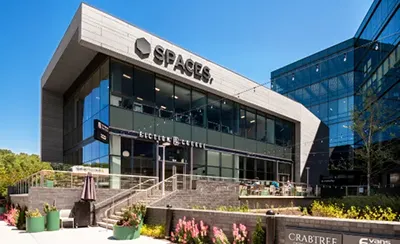
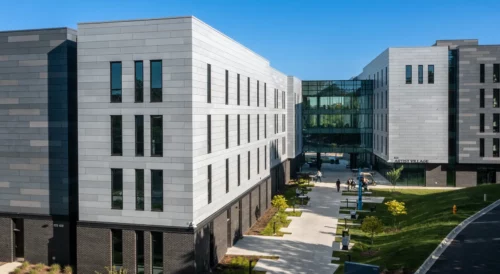
For architects specifying along the Gulf Coast, the Atlantic seaboard, or any region with aggressive wind pressures, this removes a lot of guesswork. You can see how these assemblies hold up in practice across our project portfolio, where several installations sit squarely inside high wind design zones.
A facade only earns its reputation once it's been through a few real winters and summers. Fiber cement panels are tested to ASTM G155 standards, simulating years of UV exposure and weathering in an accelerated timeframe. This gives specifiers a reliable preview of long-term color and surface stability. Freeze-thaw testing adds another layer of confidence. It confirms panels resist cracking and degradation through repeated cycles of moisture absorption and freezing.
That resistance matters most in northern climates, where a facade might cycle through dozens of freeze-thaw events in a single season. Fiber cement's dense composition keeps the material stable through all of it, protecting both appearance and structural integrity over time.
Third-party testing organizations continue to reinforce what specifiers already suspect about fiber cement's durability. The National Fire Protection Association's research on exterior wall fire spread, published through its NFPA 285 test standard, has become a benchmark for evaluating multi-story facade assemblies. It shows how assemblies perform under real fire exposure conditions. Reviewing that standard directly gives architects a clearer picture. It shows how assembly-level testing differs from single-component fire ratings, which is often where confusion creeps into specification.
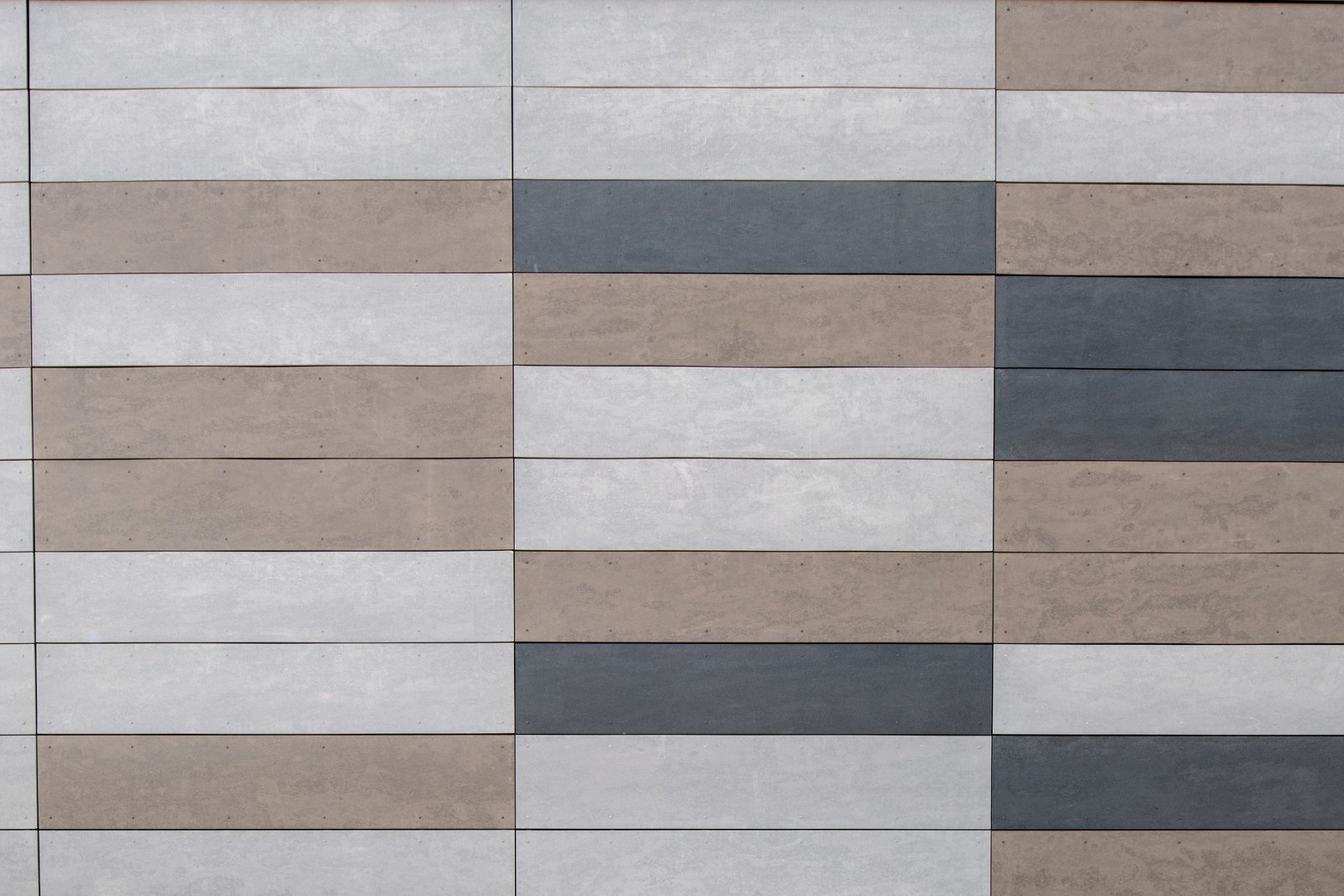
Performance testing tells you how a material behaves in a lab. A warranty tells you how much the manufacturer stands behind it in the real world. When installed as part of a properly designed ventilated assembly, the expected service life is 40 to 50 years with no repainting required. For building owners thinking about lifecycle costs, not just upfront budget, that kind of longevity changes the math. It's a conversation worth having early, before the facade is already specified.
Fiber cement rainscreens were never designed to be the flashiest material on the market. They were designed to be the material you don't have to think about again after installation. One that holds its fire rating, energy performance, wind resistance, and weathered appearance for decades, not just years. That kind of dependability is exactly why so many architects keep specifying it project after project.
American Fiber Cement has spent 37 years helping architects put that dependability into practice. We're the U.S. master distributor of Swisspearl's high-density fiber cement panels, plus our own AFC panel collection and terracotta slats. From shop drawings and panel optimization to coast-to-coast fabrication and installation guidance, we handle the details. That's how we keep a rainscreen project on schedule and on budget.
If you're weighing fiber cement against other cladding options for an upcoming project, we'd love to talk it through with you. From assembly details to attachment system selection, we're happy to help. We've spent decades helping architects get these details right, and we'd be glad to be part of your next one. When you're ready to see what it looks like on paper, get a free quote from our team, and we'll help you map out exactly what your project needs.