











How High-Density Fiber Cement Performs in Extreme Climates
Industry Insights 11.09.26
Industry Insights 11.09.26
High-density fiber cement has earned its reputation as one of the most dependable cladding materials in commercial construction. Nowhere is that reputation tested more thoroughly than in extreme climates. From the freezing winters of Scandinavia to the blistering heat of the Arabian Peninsula, architects are asking the same question. “Will this facade hold up decades from now, not just on day one?” The good news is that high-density fiber cement was engineered with exactly these conditions in mind. Even better, its performance record backs that up.
Few things stress a building envelope like repeated freezing and thawing. Water finds its way into tiny surface pores, expands as it freezes, and slowly pries a material apart cycle after cycle. Over years, that process can crack, flake, or delaminate weaker cladding materials.
High-density fiber cement resists this because of its composition. The panels are compressed and air-cured over roughly 28 days or undergo an accelerated curing process by being placed in a high-pressure, high-temperature chamber for two days. Both of these processes let the cement matrix bond naturally and reduce the internal stress that leads to microcracking. That density translates directly into low water absorption, meaning there's simply less moisture inside the panel to freeze. When combined with a drained, back-ventilated rainscreen assembly, the panels remain dry, stable, and visually consistent through hundreds of freeze-thaw cycles.
This is one of the reasons Nordic architects specify Swisspearl panels so often. A facade in Oslo or Helsinki might see dozens of freeze-thaw transitions in a single winter, and the material needs to shrug off each one without losing its finish or structural integrity.
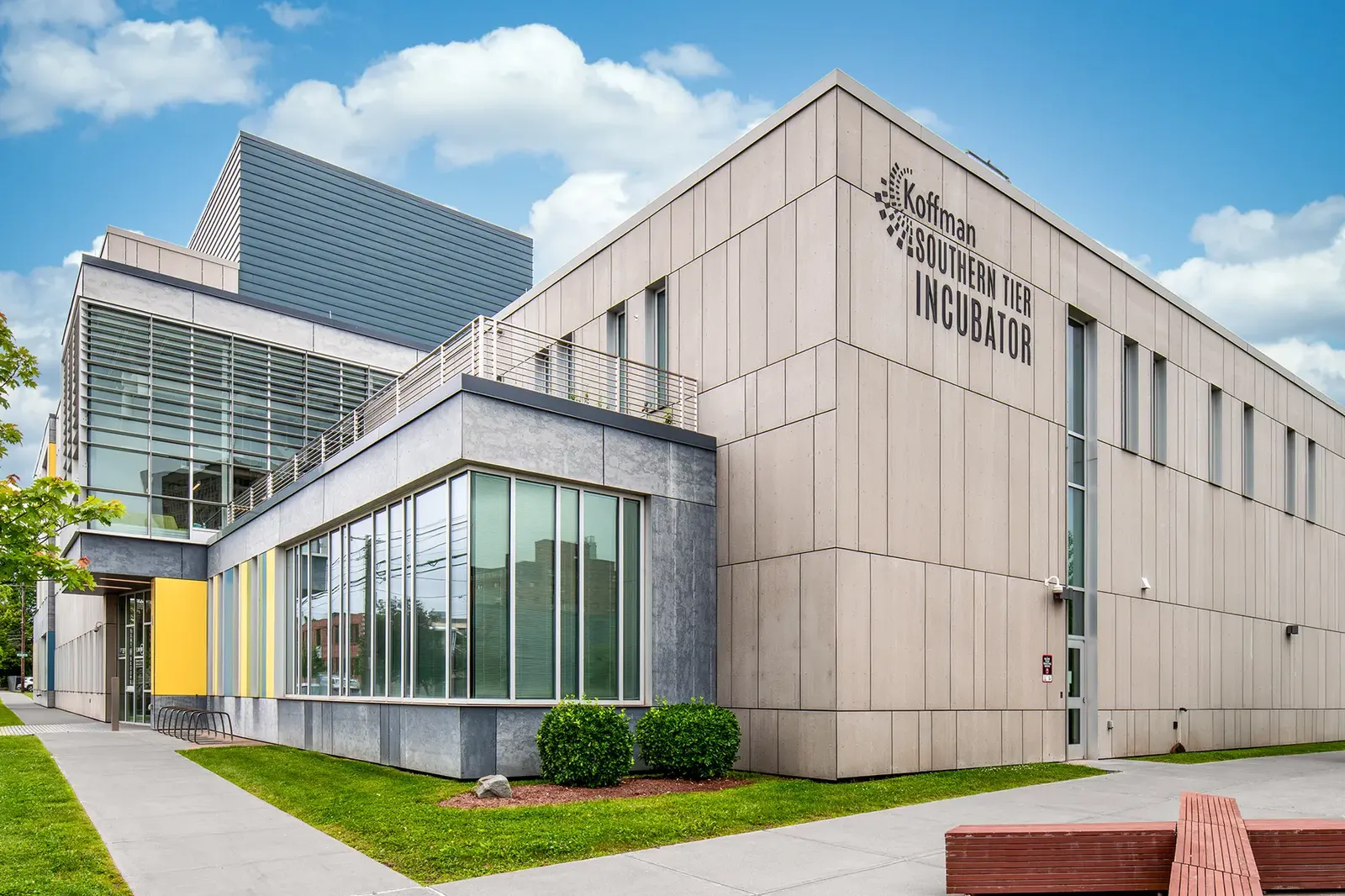
Temperature swings do more than threaten moisture damage. They also cause materials to physically grow and shrink, sometimes by a measurable amount across a large facade. A rainscreen system that does not account for this movement will eventually show telegraphing joints, buckled panels, or fastener failure.
High-density fiber cement panels are engineered with dimensional stability in mind. The systems built around them are designed to move with the building rather than against it. Panel layouts include calculated expansion gaps and openings to allow airflow behind the panels. Mounting hardware such as anchors, brackets, and rivets is specified to allow for thermal and moisture movement. It does this without transferring stress into the panel itself. With proper airflow and openings at terminations, a facade installed with the correct joint spacing and attachment method can handle a hot Gulf afternoon and a cold desert night in the same 24-hour cycle, all without visible strain.
This engineered flexibility is part of why high-density fiber cement performs so consistently across such a wide range of project types, from multi-family housing to institutional and hospitality buildings.
It might seem unusual that the same cladding material thrives in both the Nordic countries and the Middle East, two climates that could not be more different on paper. But both regions share a common demand: extreme, sustained temperature stress paired with high design expectations.
In Norway, Sweden, Finland, and Denmark, buildings face long winters, freeze-thaw cycling, and UV exposure during short but intense summers. In the UAE and Saudi Arabia, facades endure intense solar radiation, high heat, and significant day-to-night temperature swings. High-density fiber cement holds its color, resists warping, and maintains its structural performance in both environments. That's exactly why it has become a go-to specification for architects working across these markets.
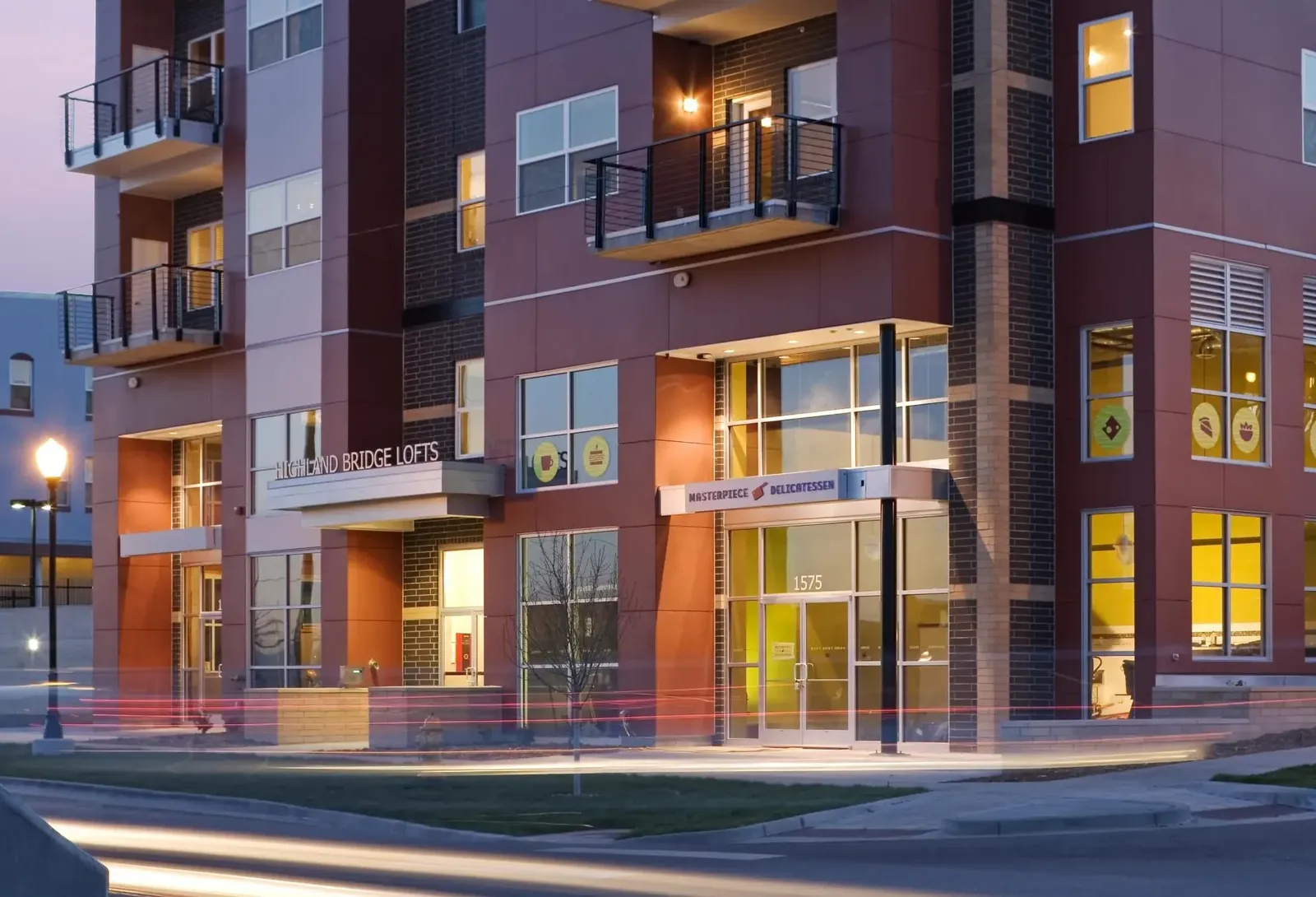
Architects rarely take manufacturer claims at face value, and they should not have to. Fiber cement cladding products are evaluated using standardized methods such as ASTM C1185. This standard governs sampling and testing for fiber cement flat sheet products, including freeze-thaw resistance, moisture movement, and flexural strength. The American Society for Testing and Materials maintains and periodically updates the full scope of this standard. Independent, standardized testing like this gives specifiers a reliable way to compare performance claims rather than relying on marketing language alone.
Not every fiber cement product is engineered to the same density or tested to the same rigor. That difference matters more than most people realize once a building faces real weather. High-density fiber cement stands apart for a different reason. The manufacturing process, the panel engineering, and the installation system all work together as one solution, not three separate decisions.
If you're specifying a facade for a project in a demanding climate, whether that means a coastal, desert, or alpine climate, it pays to work with a team that understands both the material science and the practical realities of installation. Panel optimization, expansion planning, and fastening details all matter just as much as the panel itself.
We've spent decades helping architects and project teams get these details right. We'd love to talk through what your climate and design goals require. Reach out to our team whenever you're ready, and we'll help you find the right high-density fiber cement solution for your next project.