












Breaking Down TerraSlat Cost for Architects and Contractors
Industry Insights 10.26.26
Industry Insights 10.26.26
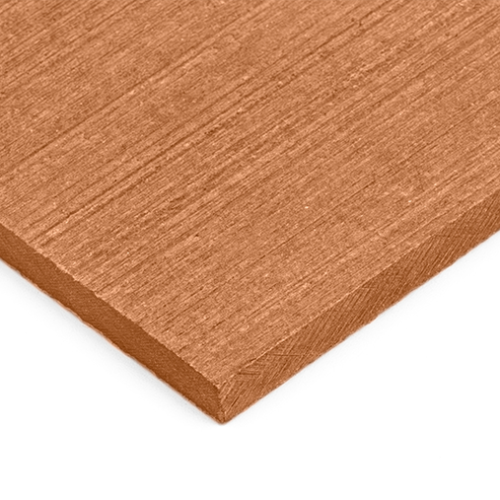
”What is the cost?” is one of the first questions architects ask us regarding AFC TerraSlat, and for good reason. Terracotta has always carried a certain price tag, largely because traditional systems are heavy, slow to install, and often backordered for months. AFC’s TerraSlat by Tonality® changes that equation. It brings the warmth and richness of fired clay to a facade at a price point that makes terracotta accessible for projects that might have ruled it out before.
Let's walk through what actually drives TerraSlat cost, so you can budget with confidence and explain the value to your clients.
At its core, TerraSlat cost reflects two things: the material itself and the labor required to install it. This is where the product really sets itself apart. TerraSlat is currently the most affordable terracotta option on the market, typically running between $20 and $25 per square foot installed for material, including the weather barrier, rails, slats, and delivery.
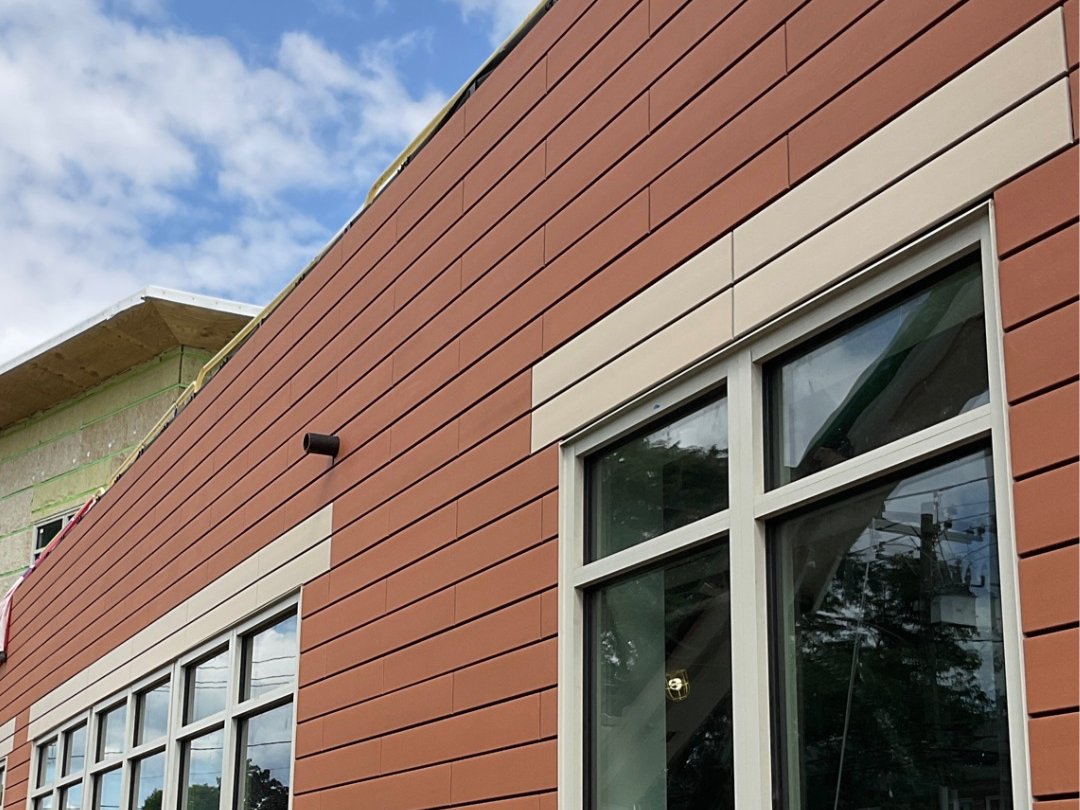
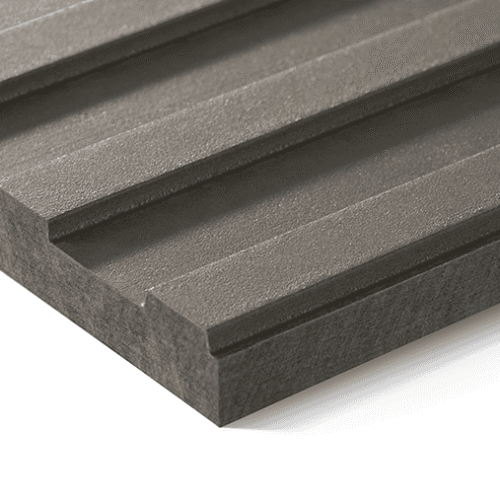
Part of what keeps that number so competitive is the installation method. TerraSlat uses a click-in system that attaches directly to the substrate in a single layer. There's no need for a secondary support grid or complicated substructure. Crews click each slat into place, move to the next, and keep moving. Fewer components and fewer install steps translate directly into lower labor costs, which is a big piece of the overall TerraSlat value proposition. Adding to the benefits, each slat is only 13 pounds, allowing just one installer to attach them.
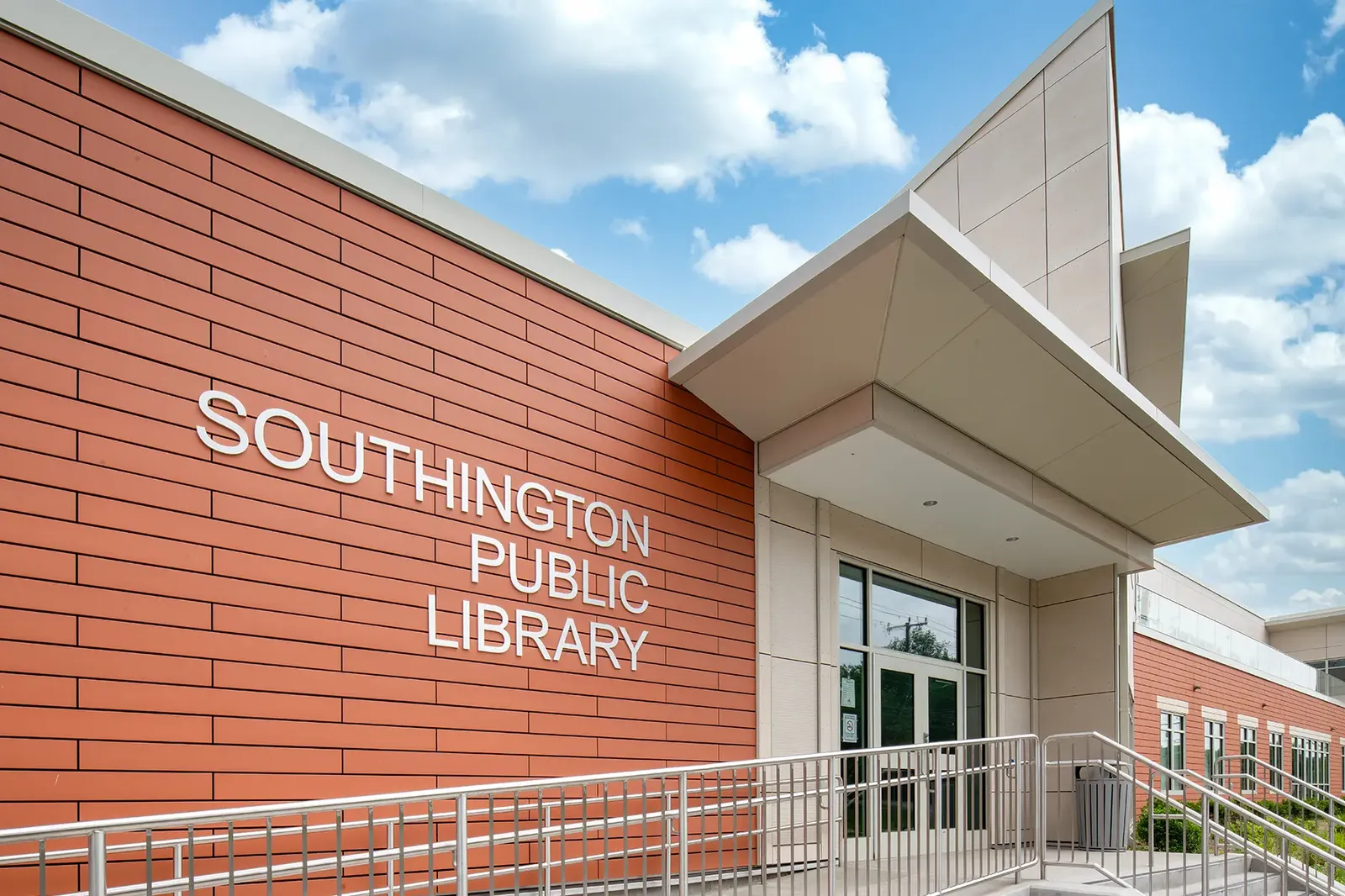
Numbers on paper are useful, but seeing them play out on a jobsite tells the real story. On a recent project, a crew installed roughly 750 square feet of AFC TerraSlat by Tonality® across a full elevation in just three days. Two workers handled the entire job. One stayed on a lift installing slats while the other cut material on the ground to keep pace. That kind of efficiency is hard to match with traditional extruded terracotta, which often requires larger crews and more time due to its weight and more complex anchoring systems, driving up TerraSlat cost comparisons in the process.
Faster installs mean fewer days on a lift, less coordination with other trades, and a shorter overall construction timeline. All of that feeds back into the project cost, not just the material line item.
One factor that often gets overlooked in TerraSlat cost conversations is availability. Traditional terracotta systems can carry lead times of several months, which creates scheduling risk and can push labor costs higher if crews are standing by waiting on material. TerraSlat is stocked, so architects and contractors aren't left guessing about when panels will show up. Quick availability keeps a project on schedule and helps avoid the costly delays that come with custom-order terracotta. In addition, damage a slat during installation, no need to fear. A replacement can arrive in the same week. No lengthy and expensive overseas timeline and shipping cost.
For anyone specifying TerraSlat, it's worth reviewing our installation guidelines early in the design process. Understanding the attachment method and substrate requirements up front helps keep both budget and schedule accurate from the start.
The building envelope is almost always one of the last major systems to go up. By the time crews reach the facade, a project has often already absorbed delays from foundation work, structural steel, or weather. A cladding system that installs quickly can help a project recover lost time and move into landscaping and final finishes sooner.
This is where TerraSlat's click-in system becomes more than a labor-saving detail. Because it installs in a single layer directly to the substrate, crews aren't waiting on a secondary support grid or a multi-step attachment process. Fewer steps mean fewer days on site, and fewer days on site mean a facade that isn't the reason a project falls further behind.
That speed doesn't come at the expense of long-term performance. According to NAIOP's Development magazine, rainscreen systems help control moisture through a protective air cavity that shields the building envelope from direct precipitation. That same cavity supports drying through natural air circulation, which reduces the risk of trapped moisture over time. TerraSlat is engineered for consistent, repeatable installation, so crews can move quickly without cutting corners on the details that protect a building for decades. For architects juggling a tight schedule, that combination of speed and performance is often what makes TerraSlat cost such an easy number to justify.
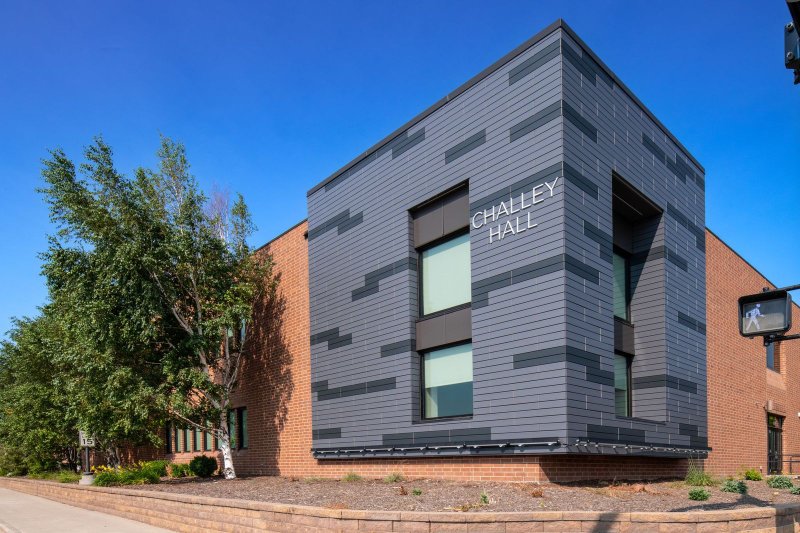
Every project has its own variables. Elevation complexity, substrate condition, and color selection can all shift the final number slightly. The best way to get a precise TerraSlat cost for your specific project is to talk with someone who works with the product every day.
We know budgets and design goals don't always line up easily, and that's exactly the kind of conversation we enjoy having. TerraSlat tends to be a great fit when architects want the look of terracotta without the usual cost and schedule headaches. If you're weighing terracotta against other cladding options, reach out to the AFC team. We'll walk through your elevation details, help you understand what drives cost on your specific project, and make sure you have the information you need to move forward with confidence.