










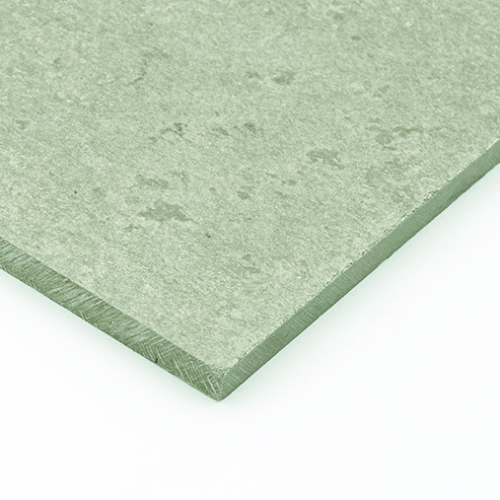


Improvements in High-Density Fiber Cement
Industry Insights 11.02.26
Industry Insights 11.02.26
Fiber cement has come a long way, and the latest advancement worth knowing about is CEM2. If you specify facade materials for a living, you've likely noticed that not all fiber cement panels perform the same way over time. Some of that comes down to the cement binder itself. CEM2 is changing what architects and builders can expect from a high-density fiber cement panel.
At American Fiber Cement, we've watched this technology mature alongside the Swisspearl panels we distribute. We want to walk you through what CEM2 actually improves and why it matters for your next project.
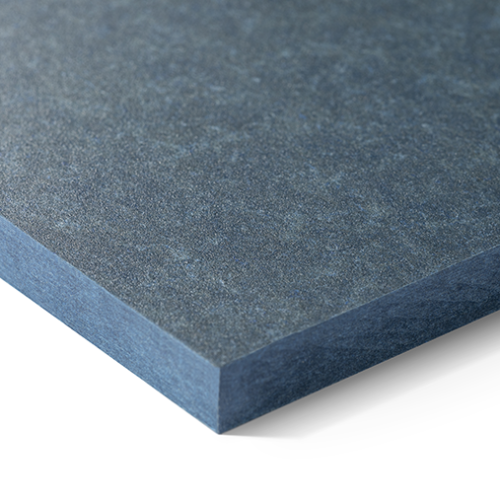
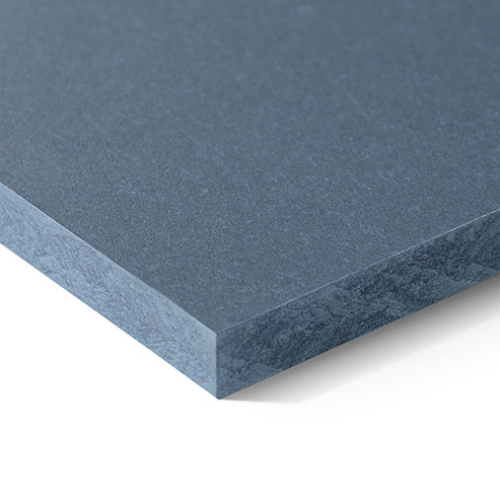
CEM2 is a cement formulation used in the production of certain Swisspearl panels, including Patina Original NXT. Its key purpose is to lower the carbon footprint of cement, but with it comes additional improvements to high-density fiber cement, including reduced moisture movement and increased bending strength. Think of it as a refinement of the traditional Portland cement mix. It keeps the durability architects rely on while addressing some of the older formulation's limitations.
The result is a fiber cement panel that holds up better under real-world weather cycles, resists UV exposure more effectively, and performs more consistently across seasons and climates.
Bending strength isn't just a nice-to-have spec. It's actually built into the industry standard that governs fiber cement sheets. ASTM C1186 divides flat fiber cement sheets into grades based on their flexural strength. Panels intended for direct sun, rain, and snow exposure are held to their own specific performance category. A cement formulation like CEM2 that pushes bending strength higher gives a panel more room to comfortably clear those grade thresholds. That's exactly the kind of margin architects want to see on a long-term facade investment.
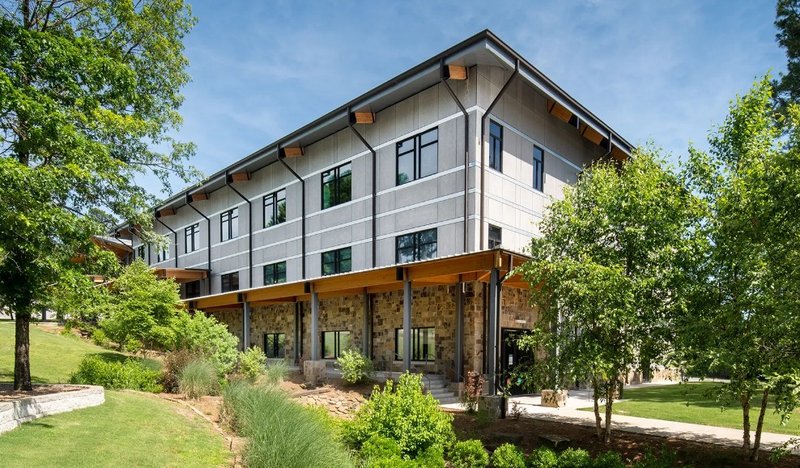
Bending strength is one of those specs that doesn't get talked about enough until a project runs into trouble. Panels that flex too much under wind load or thermal stress can crack, warp, or fail at fastener points over time. CEM2 improves this property, giving fiber cement panels more structural resilience without adding bulk or weight.
For architects working on tall facades, cantilevered details, or large unsupported spans, that extra bending strength translates into more design freedom. You get more flexibility with panel sizing and mounting patterns, and fewer callbacks down the road.
Moisture movement refers to how much a panel expands or contracts as humidity levels shift. Every fiber cement product moves a little, but with any material, less movement is always desired. CEM2 reduces this movement, which means tighter, more predictable joint performance over the life of the building.
This matters most in rainscreen assemblies, where panels are designed to breathe and shed water while staying dimensionally stable. A panel with better moisture control simply behaves more consistently, season after season, which is exactly what specifiers and building owners want from a facade system.
This is where CEM2 really stands out, and it's worth spending some real time on. Traditional Portland cement production is one of the more carbon-intensive processes in construction materials. Clinker, the key ingredient in cement, is responsible for the vast majority of cement's carbon footprint. Reducing clinker content without sacrificing performance has been one of the biggest challenges facing the entire building materials industry.
CEM2 formulations address this directly by replacing a portion of the clinker with supplementary materials while maintaining strength and durability. Independent research on similar low-clinker cement blends backs this up. According to a report from the European standards organization ECOS, clinker accounts for up to 94 percent of cement's total carbon footprint. Newer blended cement formulations can achieve up to 50 percent clinker substitution while still meeting performance standards. That's a meaningful reduction, and it's the same principle driving improvements in CEM2 fiber cement production.
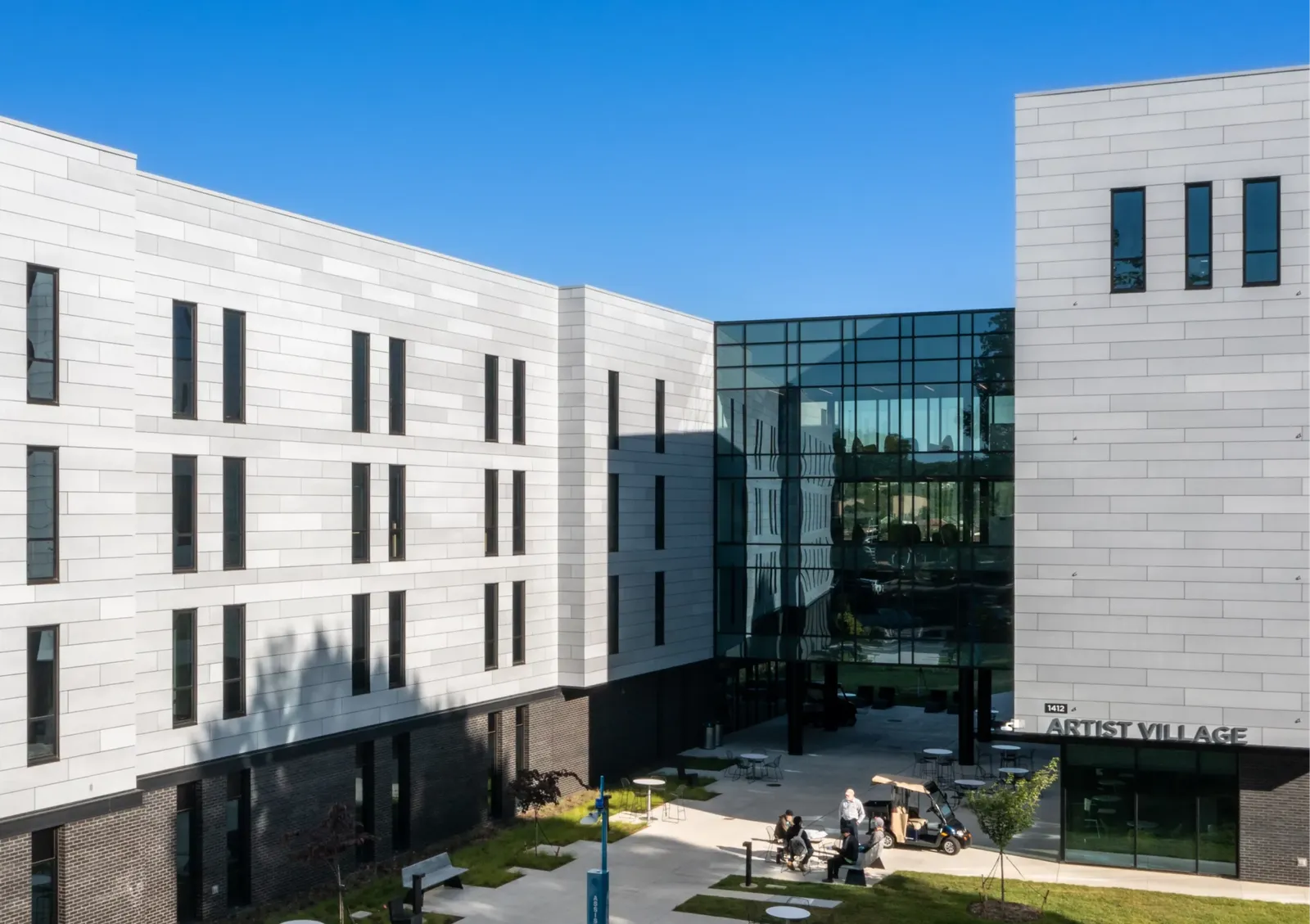
For architects pursuing LEED credits or working within embodied carbon budgets, that shift matters. A lower-carbon binder means a lower-carbon panel, and it means you can specify a high-performance facade material without treating sustainability and performance as competing priorities. CEM2 also supports Swisspearl's broader manufacturing approach, which already leans on natural raw materials and efficient production methods.
There's a durability angle here too. Panels made with CEM2 tend to age more gracefully. That extends service life and reduces the need for replacement or heavy maintenance. A facade that lasts longer is inherently more sustainable, since it delays the resource use tied to remanufacturing and reinstallation.
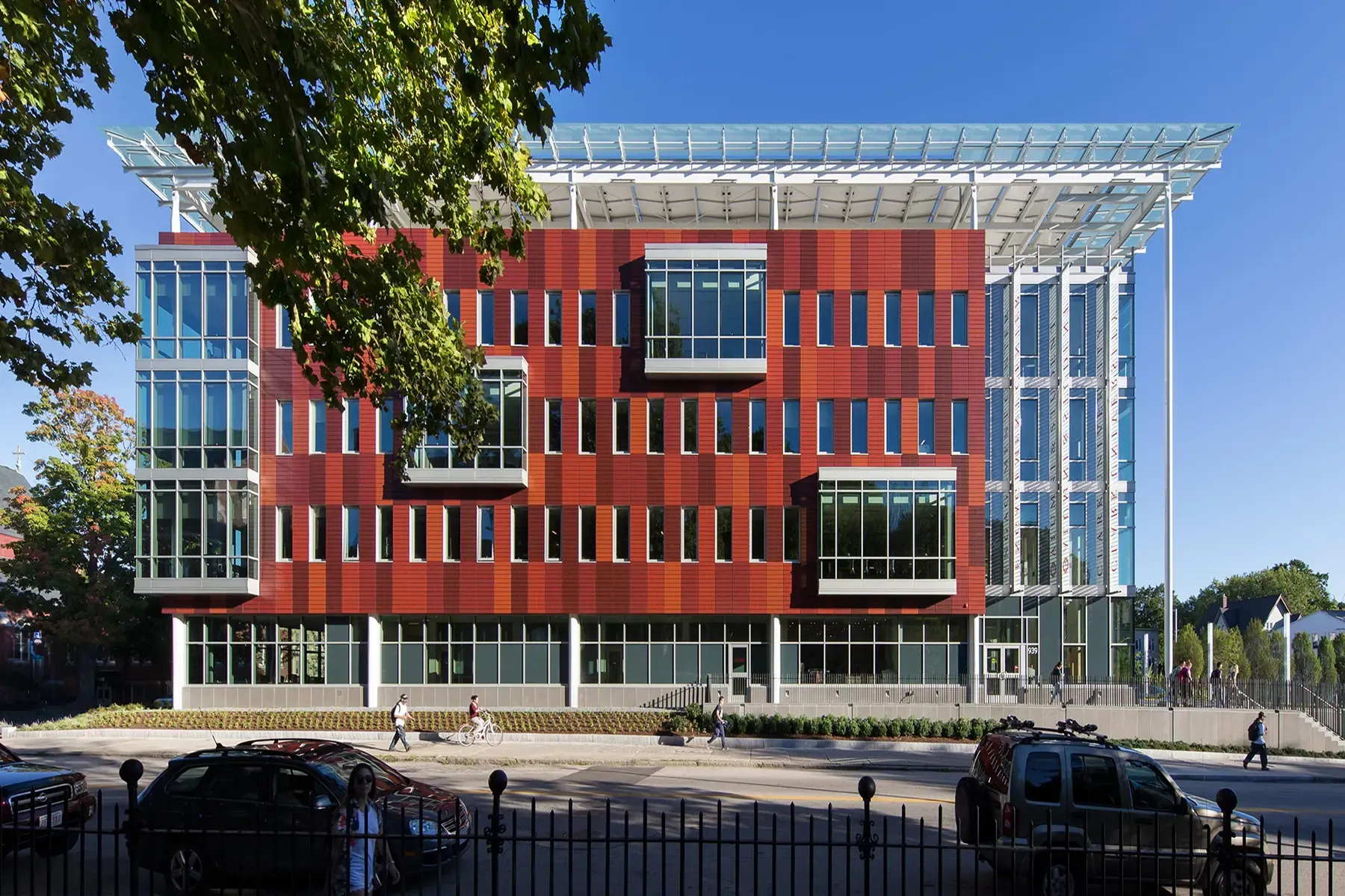
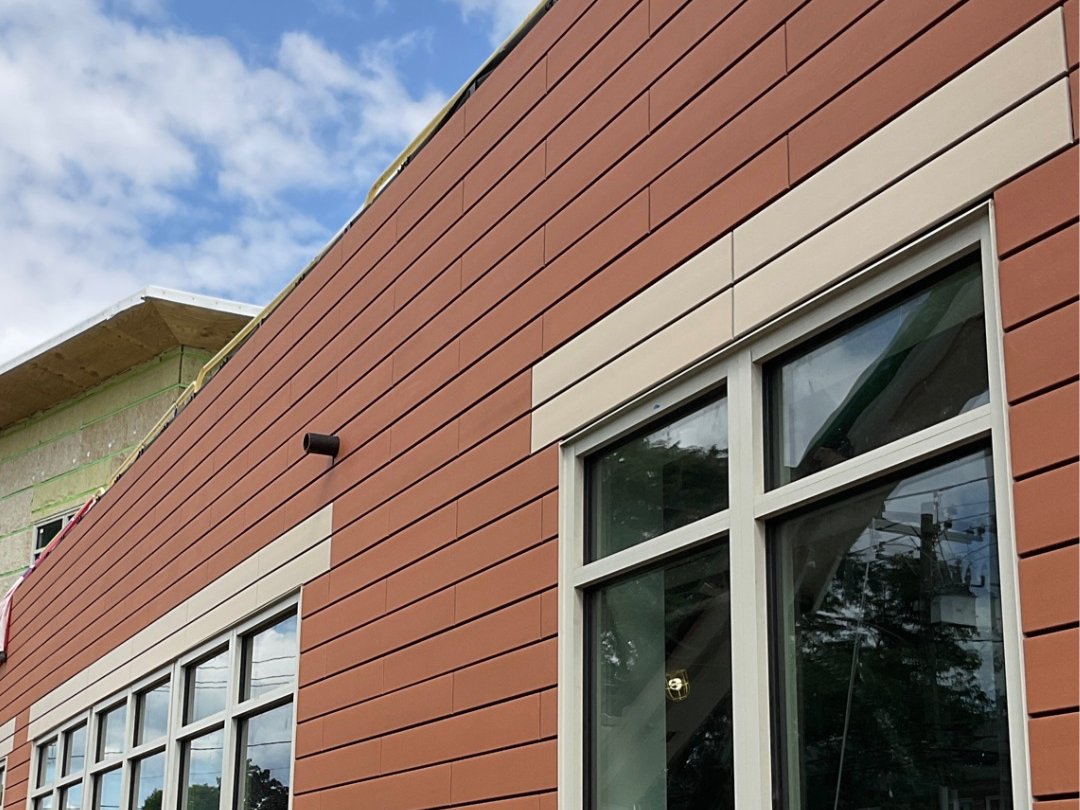
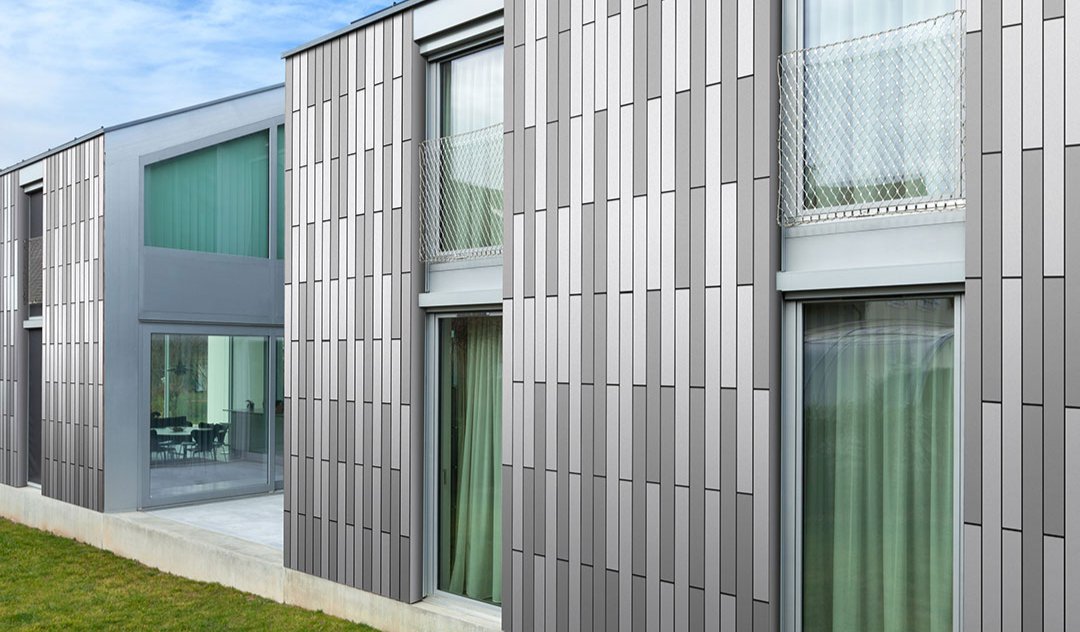
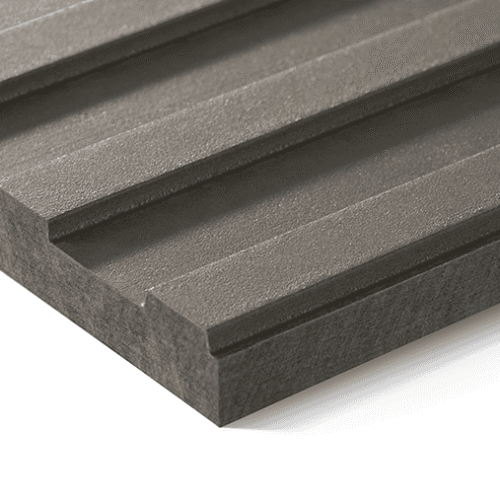
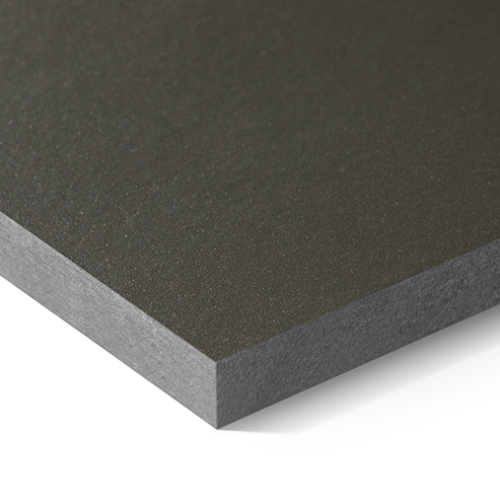
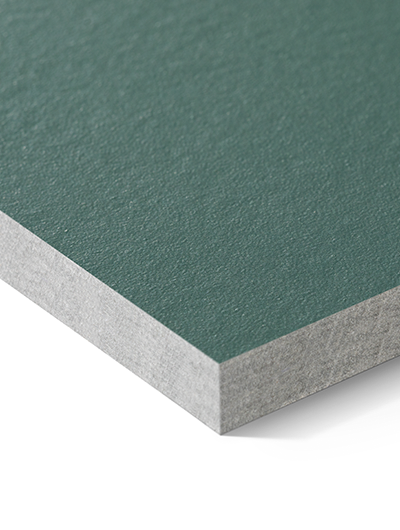
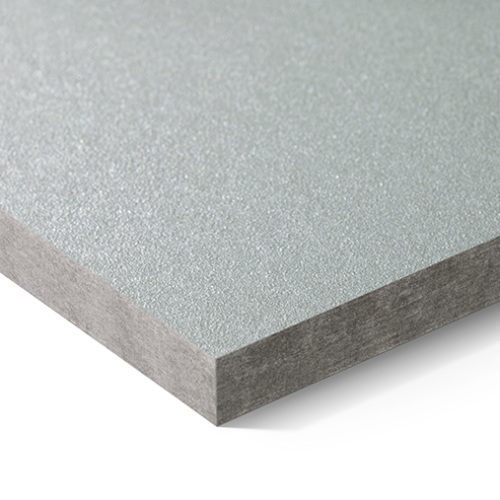
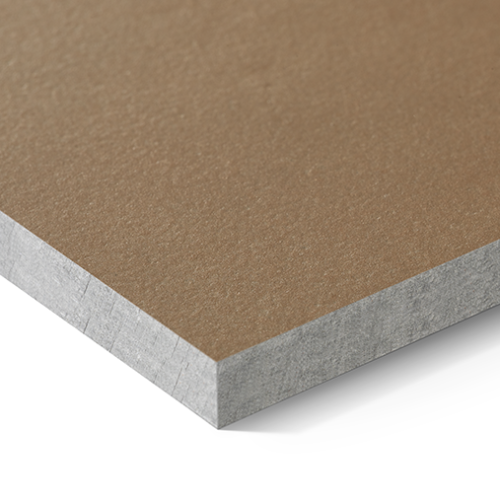
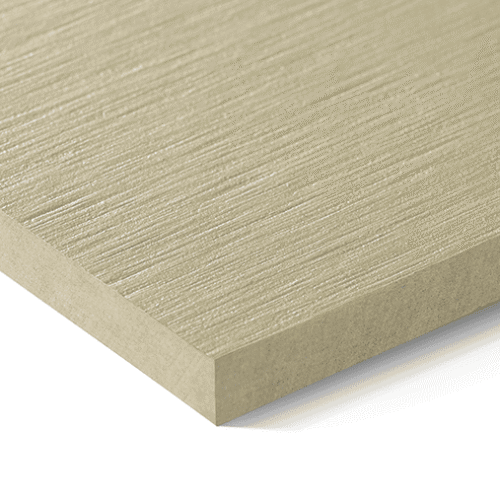
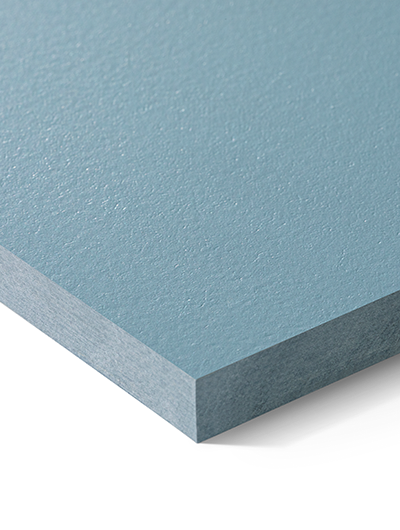
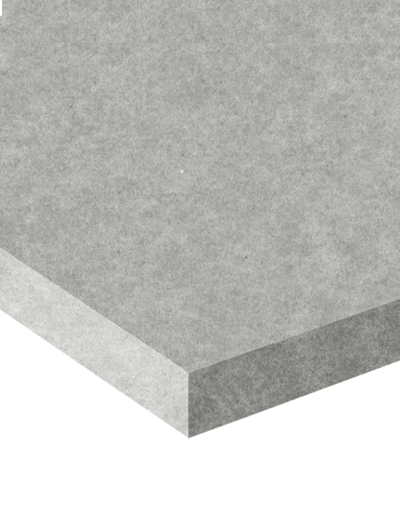
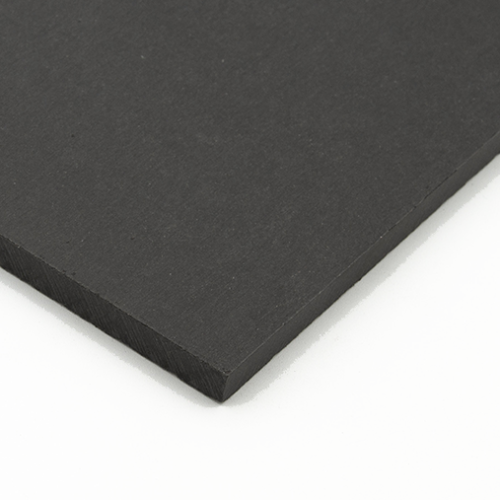
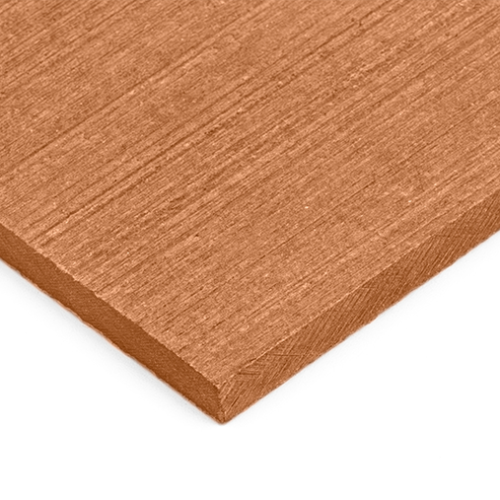
If you're comparing high-density fiber cement panels for an upcoming facade, CEM2 is worth asking about directly. It shows up most notably in the Patina Original NXT line, part of the broader Swisspearl fiber cement collection we distribute across the U.S. Each style offers its own finish and texture, but the underlying performance gains from CEM2 carry through the product line.
We know specifying facade materials involves balancing a lot of variables at once: structural requirements, budget, aesthetics, and increasingly, sustainability goals. CEM2 gives you a way to check more of those boxes at once without compromise.
If you'd like to talk through whether CEM2 fiber cement panels make sense for your next project, our team at American Fiber Cement is happy to walk through the details with you. Request a sample today; we're always glad to help you find the right fit for your build.